The 50/30/20 rule in dirhams: how to split your salary without feeling deprived
A worked example on an 8,000 DH net salary, with practical steps to apply the rule in an ordinary Moroccan household: rent, family, festivals and savings.
At the end of the month many people ask the same question: where did the salary go? The answer is rarely one big expense but dozens of small amounts nobody writes down. The rule explained here is simple enough to fit on the back of a bill, and it really works if you apply it with numbers and not just good intentions.
What exactly is the rule?
It splits your net income (what reaches your account after social security, health insurance and tax) into three parts: 50% for needs, 30% for wants, 20% for savings and debt repayment. Needs are what you cannot do without: rent or mortgage, water and electricity, basic food, transport to work, schooling, and supplementary health cover if you have it.
- Needs: 4,000 DH50%
- Wants: 2,400 DH30%
- Savings and debt: 1,600 DH20%
Teaching example. Your own proportions may differ; what matters is that you know them.
A Moroccan example: a household on 8,000 DH net
Take a private-sector employee with a basic salary of 8,000 DH. According to the Rateb calculation engine they take home about 7,273 DH if single and 7,423 DH if married with two children, thanks to the family tax reduction (600 DH a year per person in 2026). The table uses 8,000 DH to keep the maths simple.
| Item | Per month | Note |
|---|---|---|
| Rent + water and electricity + internet | 2,700 | Need |
| Food and cleaning | 1,000 | Need |
| Transport and fuel | 300 | Need |
| Cafés, restaurants, phones, subscriptions | 1,300 | Want |
| Travel, gifts, occasions | 1,100 | Want |
| Emergency fund | 800 | Savings |
| Specific goal (car, trip, down payment) | 800 | Savings |
Illustrative grouped figures, not a statistical average.
Five steps to apply it starting this month
- Know your real net incomeWork it out from your pay slip or the app; do not rely on the gross figure. Add only regular extra income (rent, second job).
- Record thirty daysDo not change your habits in the first month. Write everything down, even the coffee. The aim is to see reality.
- Classify every expenseNeed or want? When in doubt ask: would I really suffer if I stopped it for a month?
- Pay yourself firstMove the savings share on payday, before you spend. Ideally with an automatic transfer to a separate account.
- Review every month, not every yearHalf an hour at month end is enough: what went up? What can be fixed?
Amounts without interest. Even with a low return, the gap between 10% and 20% remains what matters most.
Three seasons that wreck the budget and nobody talks about
The rule looks neat on paper, but the Moroccan year has moments when spending jumps at once: Ramadan and the stocking up before it, Eid al-Adha, which in some families can equal a whole month’s salary, and the back-to-school period with books, supplies and insurance. The answer is not to ignore them but to turn them into small monthly goals: if Eid costs 3,000 DH, add a line called “Eid” to your budget and put 250 DH in it every month. The season no longer arrives as a shock.
When this rule does not suit you
- If your income is irregular (driver, trader, freelancer): use the three-month average as your base and keep a full month of reserve.
- If you carry heavy loans: make the third share 30% for a while to repay the most expensive debt first.
- If your income is close to the minimum wage: start with 5% savings, even a symbolic amount; the habit matters more than the sum.
In short: do not look for the perfect budget, look for one you can keep. Start by measuring, then adjust, then repeat.
Track your spending in RatebThe app adds your salary and instalments automatically and works out what you can spend each day.Open the budgetSources and references
- The 50/30/20 model (Elizabeth Warren and Amelia Tyagi, “All Your Worth”)
- Net salary calculation: the Rateb app engine (2026 rules)
- The 600 DH family tax reduction: Finance Law 2026, DGI circular 737 (Upsilon Consulting)
Photo: Bernhard Holub, Wikimedia Commons, licence CC BY-SA 4.0.
Disclaimer: this information is educational; figures and rules can change. Always check the official source before making a financial decision.
Read next

Where to put your savings in Morocco in 2026? Savings book, Treasury bonds, funds or the stock exchange
A calm comparison of the saving tools available to individuals in Morocco: approximate return, risk and when each suits. With the maths of 500 DH a month over ten years.
20 November 2026 · 2 min read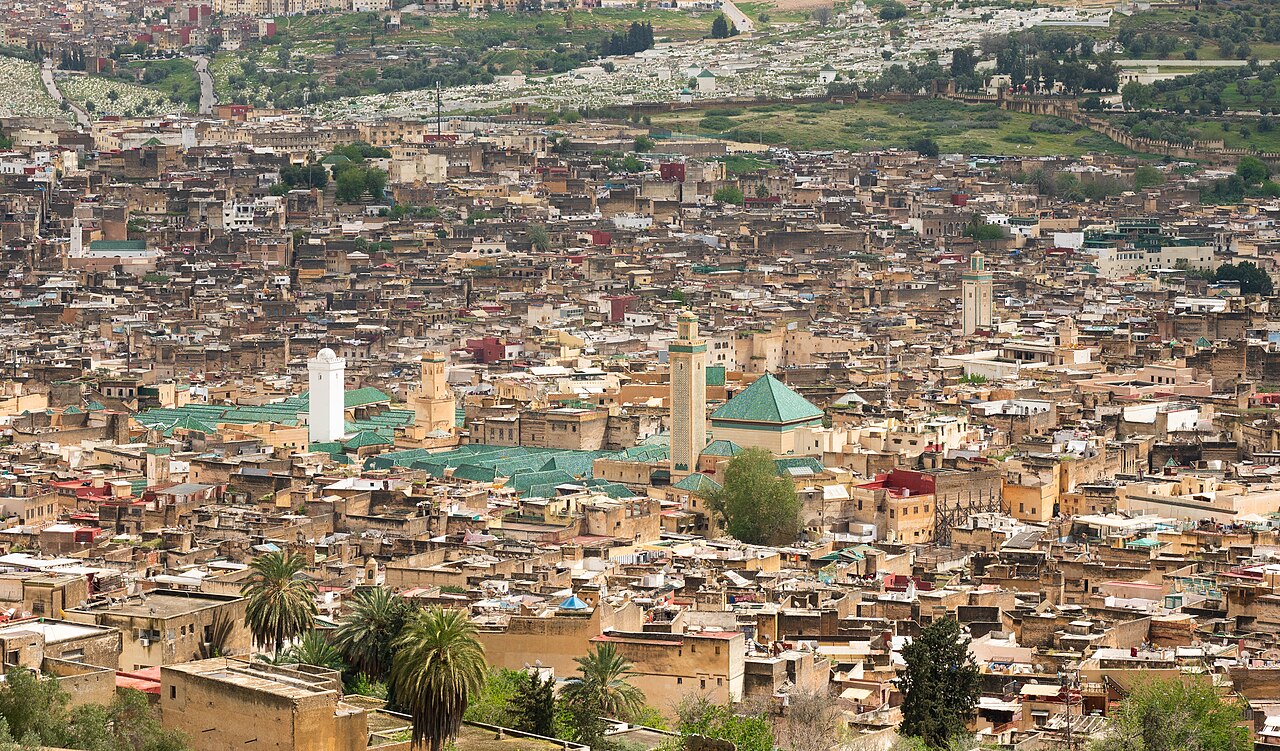
The emergency fund: how much do you really need and how long does it take to build?
Three months or six? We put the target in dirhams, give a table of the time needed by monthly saving, and explain where to keep this money so it stays available and safe.
20 November 2026 · 2 min read