Where to put your savings in Morocco in 2026? Savings book, Treasury bonds, funds or the stock exchange
A calm comparison of the saving tools available to individuals in Morocco: approximate return, risk and when each suits. With the maths of 500 DH a month over ten years.
A common mistake when talking about investing: we start with “where do I put the money?” before asking “why and until when?”. The money you will need in a year is not placed in the same spot as retirement savings fifteen years away. So we rank the tools by time horizon before return.
Short term: under two years
This is the place for your reserve and near-term spending. The priority is access and safety, not return. The savings-book account is tied to the yield on 52-week Treasury bills; its rate rose to 1.82% in July 2026 according to Médias24. With inflation expected around 1.5%, the real return is almost nil (about 0.3% before tax), but its advantage is that you can withdraw at any time without risk.
Medium term: two to seven years
Here Treasury bonds appear; access for individuals widened from May 2026 according to Bank Al-Maghrib and the Ministry of Finance. They are issued weekly by auction and then traded on the secondary market. Wafir quotes a return between 2.8% and 4.2% depending on maturity, with low risk since the borrower is the State. There are also term deposits and money-market and bond funds (OPCVM) with returns a little above the savings book and little volatility.
Long term: ten years and more
For distant goals (retirement, children’s education, a property down payment in ten years) people use equity funds or direct shares on the Casablanca Stock Exchange, whose main index jumped about 27.6% in 2025 according to Hespress. Do not be dazzled by one year: the market can fall 20% in a year and then recover, and it only suits someone who can leave the money for ten years without having to sell at a bad moment.
| Tool | Approximate return per year* | Risk | Liquidity |
|---|---|---|---|
| Savings-book account | about 1.8% | Very low | Immediate |
| Term deposits | 2.5 to 3.8% | Low | Limited to maturity |
| Money-market funds (OPCVM) | 2.4 to 3.2% | Low | Within days |
| Treasury bonds | 2.8 to 4.2% | Low | Sale on the secondary market |
| Bond funds | 3.5 to 5% | Medium | Within days |
| Shares and equity funds | 5 to 15% long term | High | Depends on the market |
*Approximate ranges from press sources (Wafir, Médias24) that may differ from your bank’s real offers. Check terms, taxes and fees before any agreement.
An example: 500 DH every month for ten years
Suppose you put aside 500 DH a month, a total of 60,000 DH. What do the different returns give? The calculation below comes from Rateb’s compound-interest calculator (without taxes or fees).
Amount paid in: 60,000 DH. The gap between 2% and 6% is close to 15,000 DH, but a higher return carries higher risk.
The bottom axis is in years. After 20 years the amounts paid in total only 120,000 DH; the rest comes from compound interest.
- Build a reserve firstThree to six months of expenses in a savings book or money-market fund before taking any risk.
- Set your horizonWrite down each goal and its date. What you need in two years does not go into shares.
- Diversify, do not use one basketA simple mix of a safe asset and a higher-return one beats an all-in bet.
- Invest regularlyA fixed monthly amount softens the effect of swings and builds the habit.
- Count fees and taxesManagement fees and tax on gains can eat a noticeable share of a small return.
Sources and references
- Savings-book accounts: the rate rises to 1.82% (Médias24, 8 July 2026)
- BTr, Treasury bonds for individuals 2026 (Wafir)
- How the Moroccan financial market accelerated in 2025 (Hespress)
- Bank Al-Maghrib keeps its key rate at 2.25% (TelQuel)
- Calculation: the compound-interest calculator in the Rateb app
Photo: Farid mernissi, Wikimedia Commons, licence CC BY-SA 4.0.
Disclaimer: this information is educational; figures and rules can change. Always check the official source before making a financial decision.
Read next
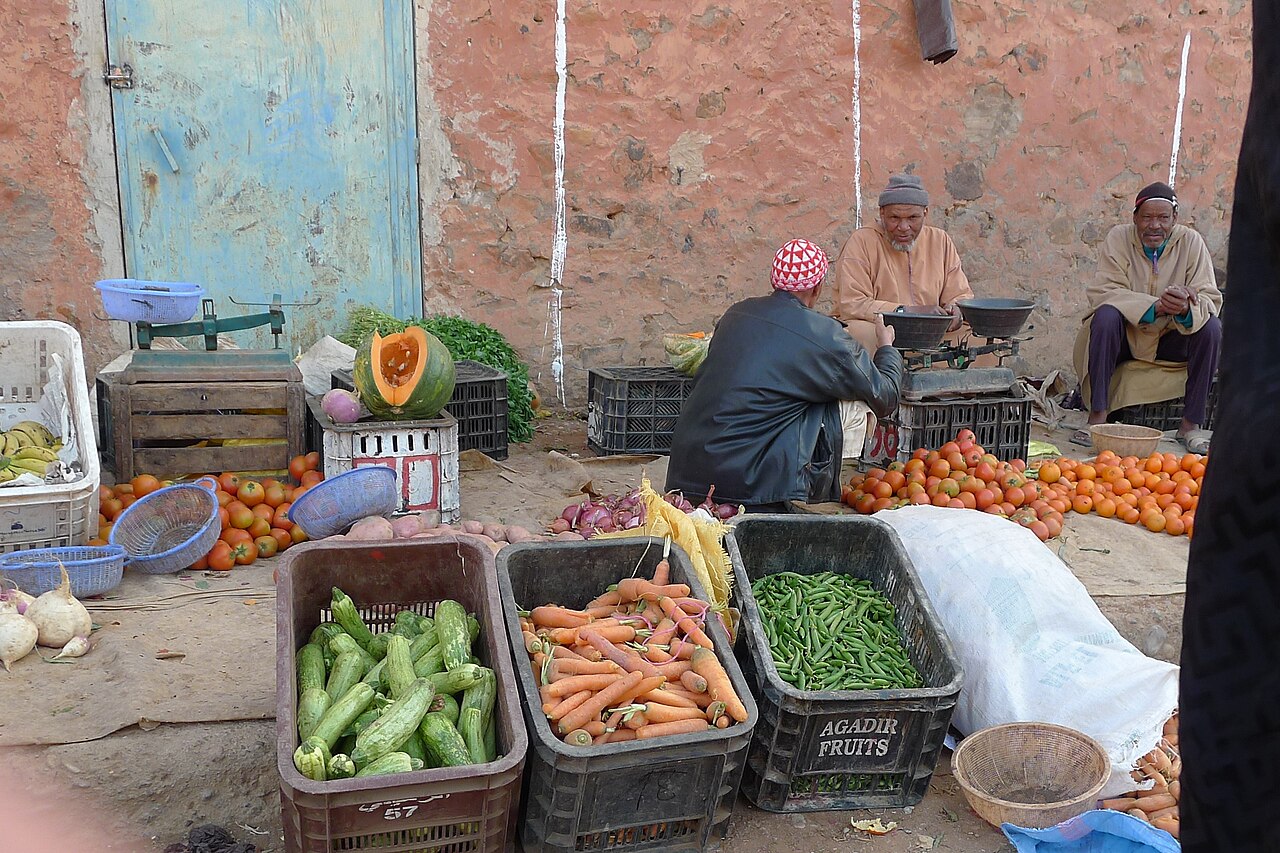
The 50/30/20 rule in dirhams: how to split your salary without feeling deprived
A worked example on an 8,000 DH net salary, with practical steps to apply the rule in an ordinary Moroccan household: rent, family, festivals and savings.
20 November 2026 · 2 min read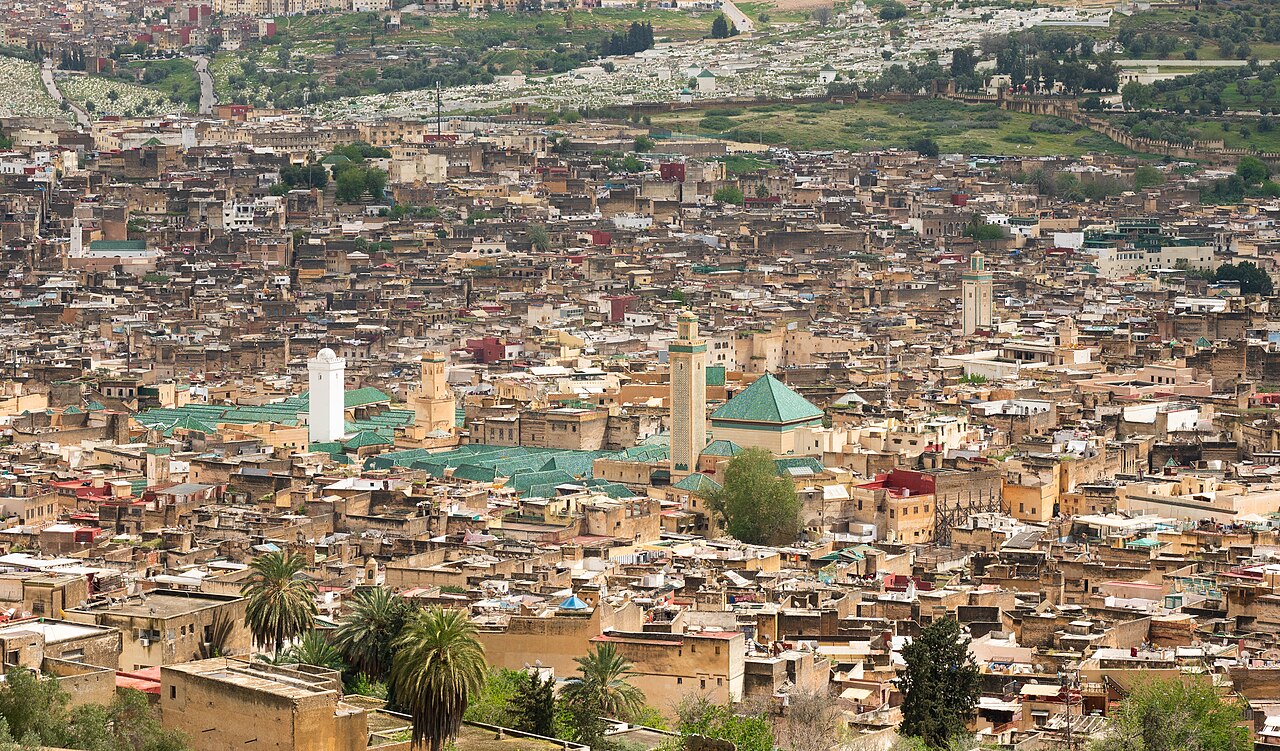
The emergency fund: how much do you really need and how long does it take to build?
Three months or six? We put the target in dirhams, give a table of the time needed by monthly saving, and explain where to keep this money so it stays available and safe.
20 November 2026 · 2 min read